The atlas of
biological age.
14 tests. Dozens of vendors. One independent map of what the science actually measures — so you buy the right test, not the loudest one.
DunedinPACE estimates the pace of aging; GrimAge2 estimates mortality-related risk. Both have been linked to mortality in cohort studies, mainly of middle-aged and older adults. Both are rated Promising in our methodology.
Start where your curiosity is. Each path leads to the same rigorous ground — the evidence behind every aging clock.
Find your best test
A short, editorial-led questionnaire. We match you to the right clock family based on goal, budget, and scientific preference.
Compare real tests
An independent database. Side-by-side on accuracy, clock type, price, and reporting depth — filtered by what matters to you.
Understand the science
Clock families, methylation mechanics, the hallmarks of aging. Enter the knowledge system — not a blog.
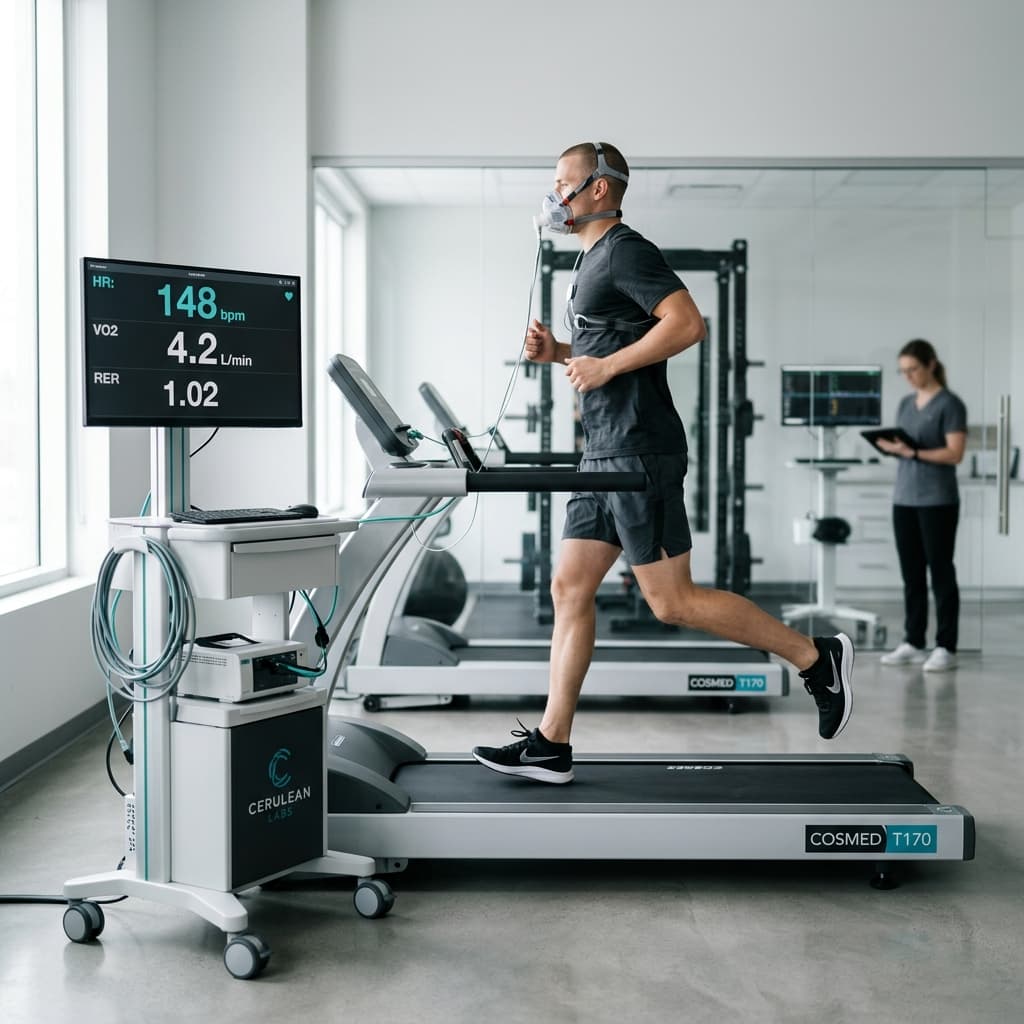
Exercise & biological age.
Physical activity has strong evidence for preserving mobility and physical function. We look at what peer-reviewed studies say about aerobic training, resistance exercise and aging-clock scores, where the evidence is less consistent.
Read the reportUnderstand the science.
Browse all articles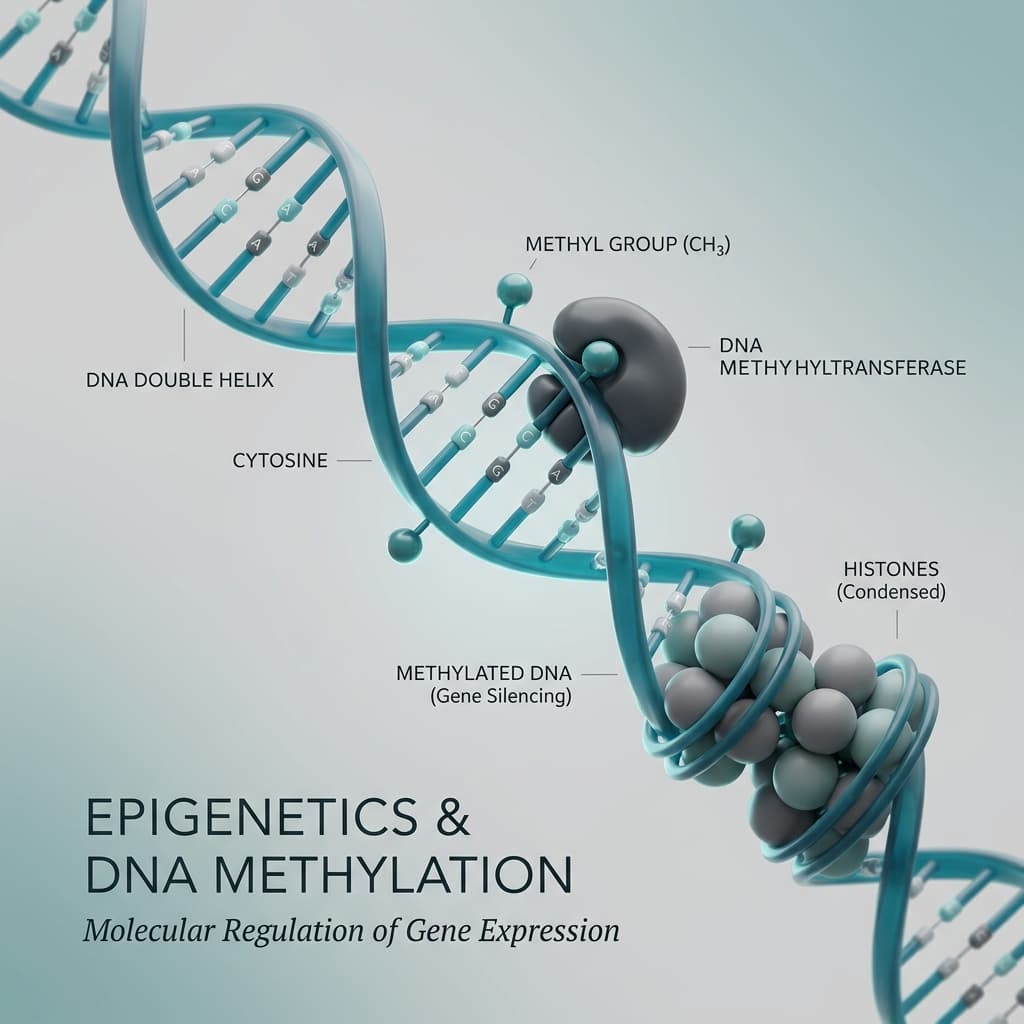
What Is Biological Age?
Your body's age isn't always what the calendar says. Learn how molecular markers reveal a different story — and what that means for your health.
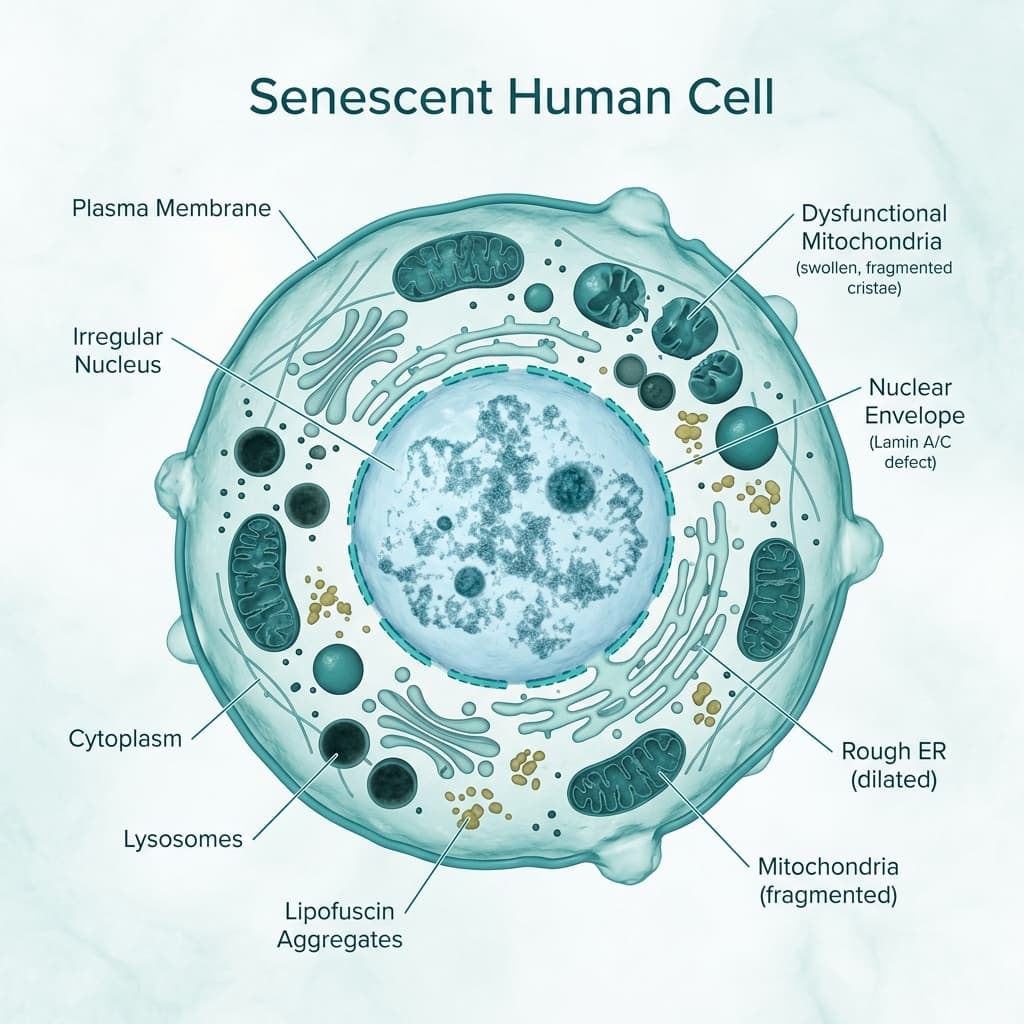
The Hallmarks of Aging
Twelve biological processes drive how we age — from DNA damage to chronic inflammation. Discover the framework behind every aging test.

How Epigenetic Clocks Work
A deep dive into DNA methylation, the basis of several aging clocks with published cohort validation.
Independent Science.
Not affiliated with any test manufacturers.
Transparent Reviews.
Data-driven analysis of biological age tests.
Evidence-Based Approach.
Evidence tiers follow our published methodology.